
Identify your Google Competitors and their search volume

Updated: Oct 27, 2025

Wouldn't you like to understand who your competition for Google Search traffic is?
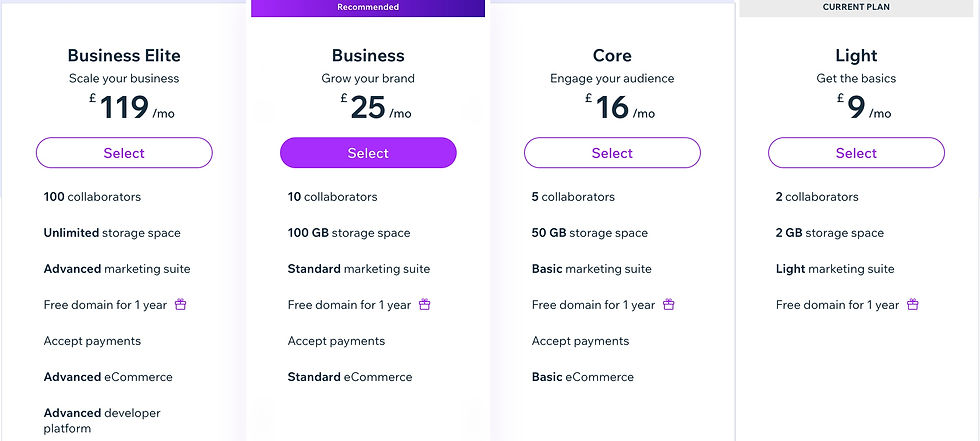
Its easy and requires a simple subscription to SERanking costing £9 a month.
Here are the things you can find out:
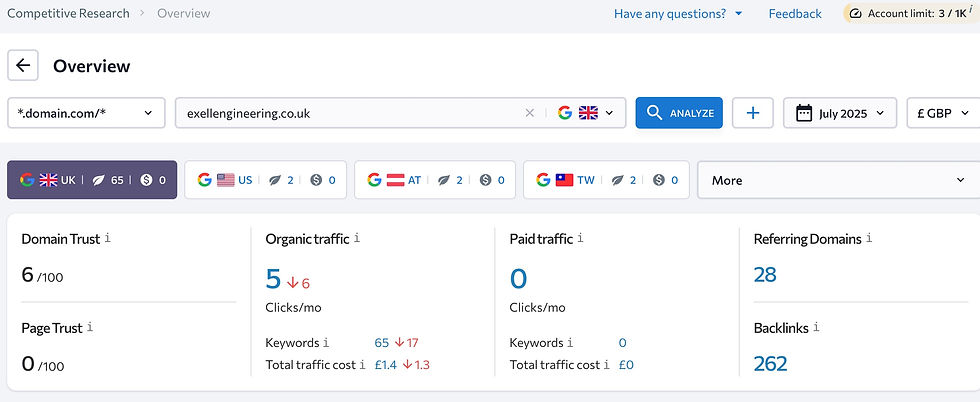
How much traffic is my competitor getting from Google?
What Keywords are they targeting and trying to rank for?
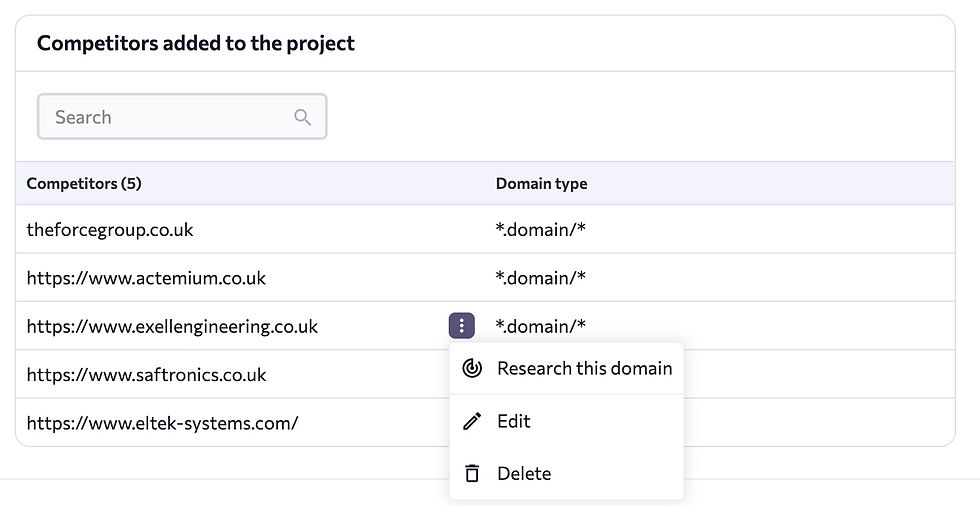
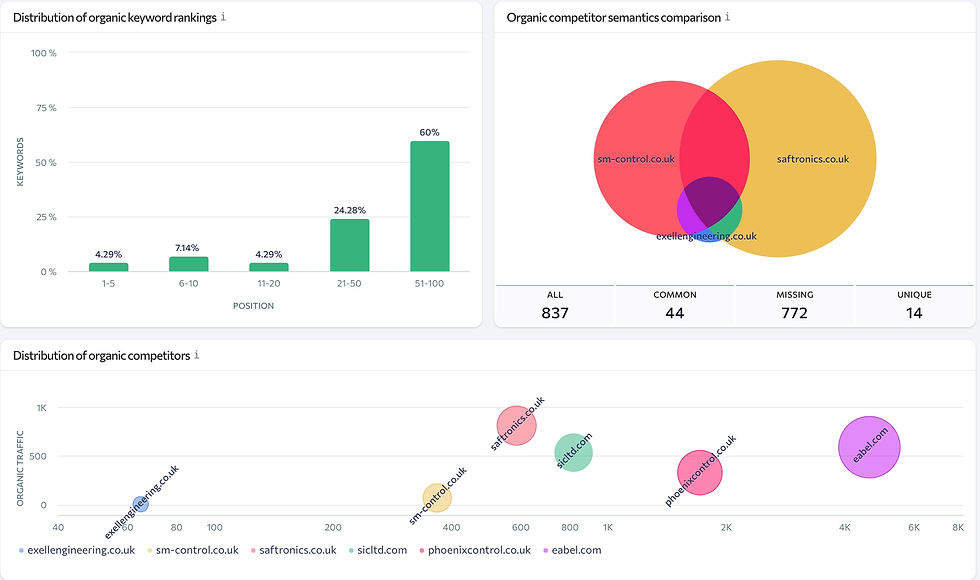
Who are their competition in Google?
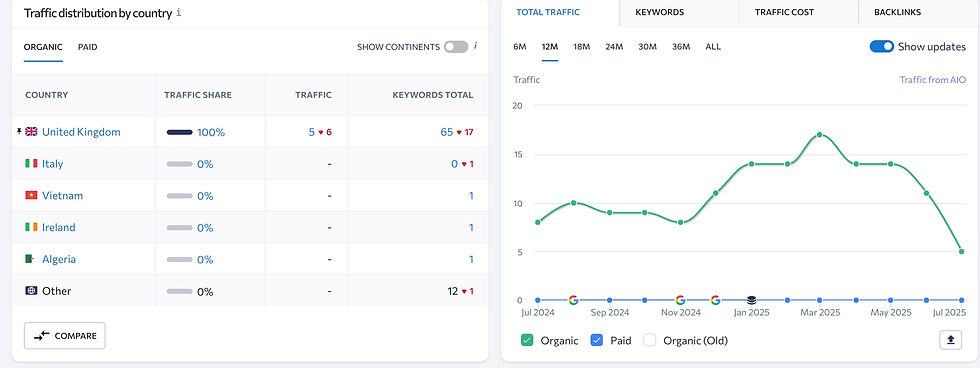
What traffic trends are they experiencing?
Which countries do they get traffic from?
Do they get organic traffic or Paid Traffic?
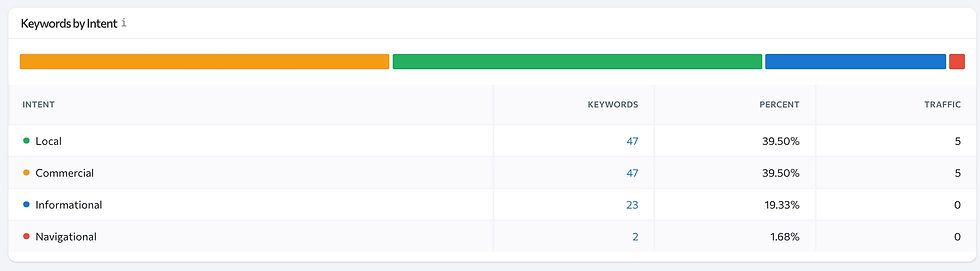
Are the Keywords they are targeting informational, commercial terms?
Can I import their keywords to my SERanking project list?
Can I learn where we rank against those keywords?
Can I track daily progress by URL & Keyword?
Can I see our content scores by url and target them for improvement?
Can I get advice on how to improve content?
Essentially you can see how effective they are at marketing without anyone else knowing.
Valuable?
I should think so, inside a morning you can build a plan and strategy around what you have learnt!
Below is a visual Picture of what you can see
If you'd like a free set up session and online tutorial WhatsApp Simon Hunt on 07966 040188 and get a head start on your competition!
FAQs: Identify Google Competitors & Their Search Volume
What does “Google competitor analysis” mean?
It’s the process of identifying which websites rank for the same keywords as your business, so you can understand who you’re competing with in organic search.
Why is it important to identify your Google search competitors?
Because your SEO competitors might not be your direct business competitors — and analysing them reveals what content, keywords, and strategies work in your niche.
How do I find my top competitors in Google search results?
Use tools like SE Ranking, Ahrefs, or SEMrush to see which domains consistently rank for the same keywords as your website.
What’s the difference between business competitors and SEO competitors?Business competitors compete for customers, while SEO competitors compete for search visibility and keyword rankings — they aren’t always the same.
How can I check a competitor’s search volume or keyword data?
Tools like SE Ranking, Google Keyword Planner, or Ahrefs show monthly search volume, keyword difficulty, and estimated traffic for competitor domains.
What’s a good keyword strategy once you know your competitors’ rankings?Focus on keyword gaps — terms your competitors rank for but you don’t. Create optimised content to fill those gaps and capture lost traffic.
How do I know which keywords drive the most traffic for competitors?
Use SE Ranking’s “Top Pages” or “Organic Keywords” reports to identify which keywords bring competitors the most impressions and clicks.
Why does analysing search volume matter for SEO planning?
Search volume helps prioritise keywords — high volume indicates strong demand, while lower volume long-tail terms often convert better and are easier to rank for.
Can small businesses compete with larger brands in Google rankings?
Yes — by targeting niche, intent-driven keywords, creating high-quality content, and earning relevant backlinks instead of chasing broad, competitive terms.
How often should you review your competitors’ keyword performance?
At least quarterly. Competitor rankings and search trends change frequently, so ongoing analysis keeps your SEO strategy agile and informed.



Comments