
How to Rank Quickly in Google Using Google Search Console

Updated: Oct 24, 2025
Many businesses do not understand the key metrics Google looks at to determine what share of searches you will get.
Fewer businesses understand how to "push" Google to rank their content in fractions of a second.
This Blog will explain how to seperate yourself from 99.9% of companies that just wait for Google to spider their site which often takes weeks!
Why does Google often take weeks to rank content on websites?
There are many reasons:
The site could be new
The site might not have a history of publishing regular content
The Domain authority could be low
The Page authority could be low
The content published already could be "content scored" low
How do we bypass all the common reasons why Google might take 6 weeks to even rank content?
Easy use the tools Google provides for free to rank within fractions of a second.
Google Search Console is a rich tool, however let us look at how you can use it to get a competitive advantage, rank fast, especially with young websites, learn fast from feedback and implement new content quickly and effectively.
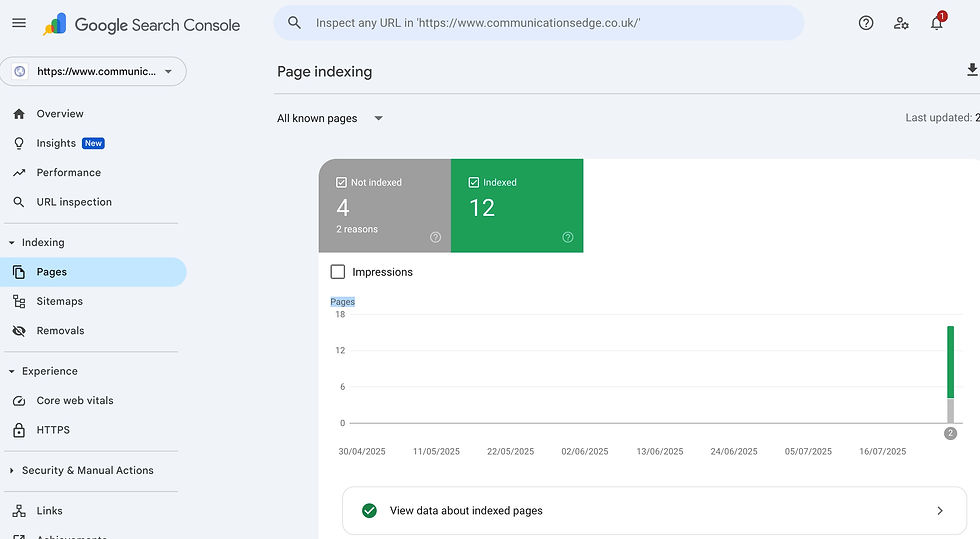
Google Search Console Rank Quickly
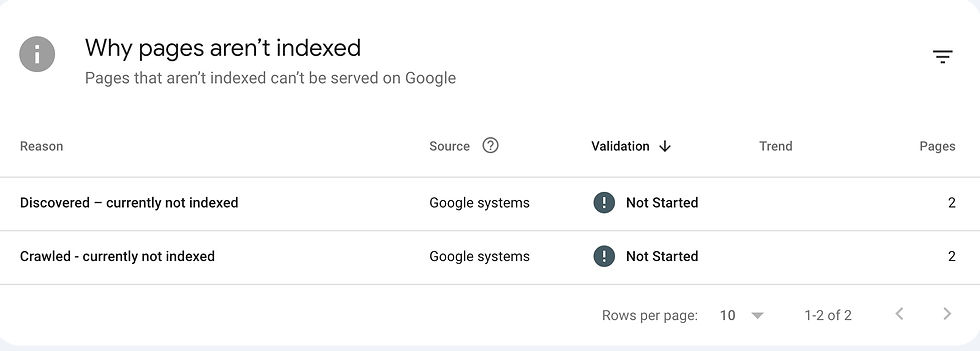
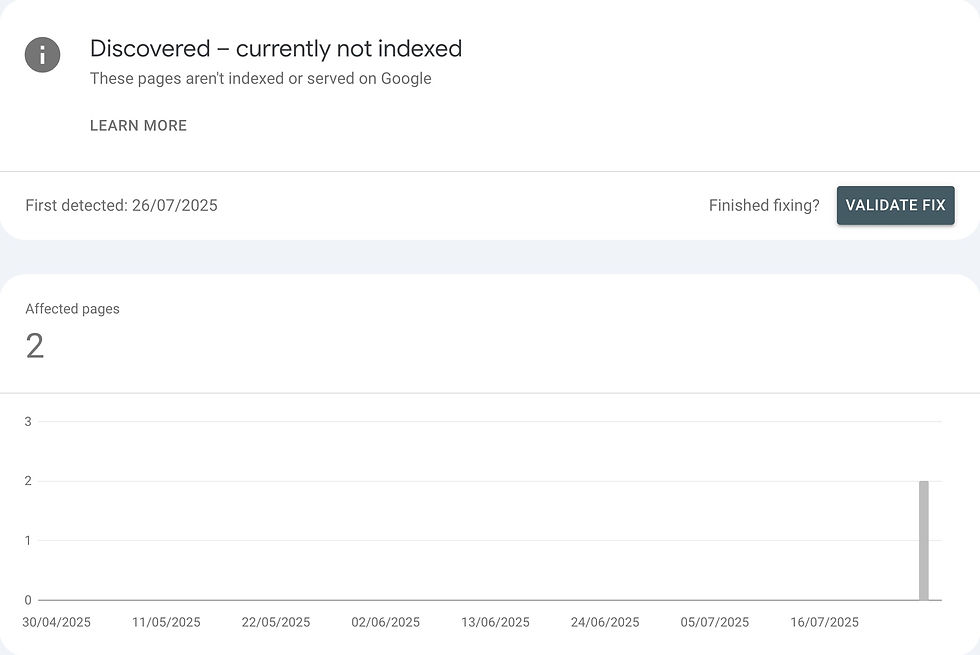
As we run a small business, are not patient we prefer the route that takes seconds not weeks.
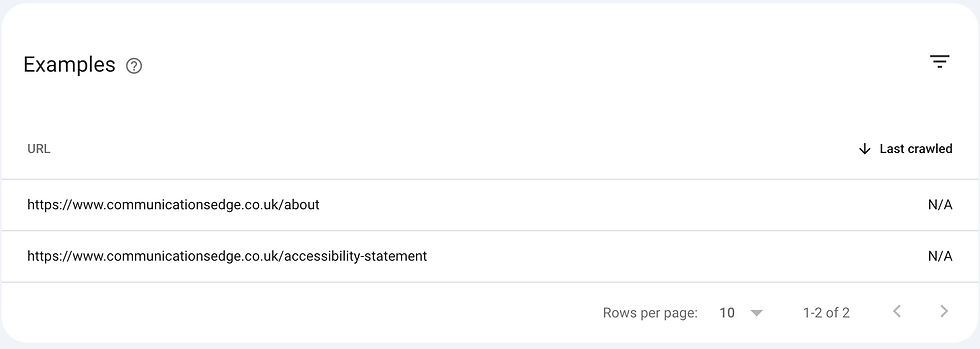
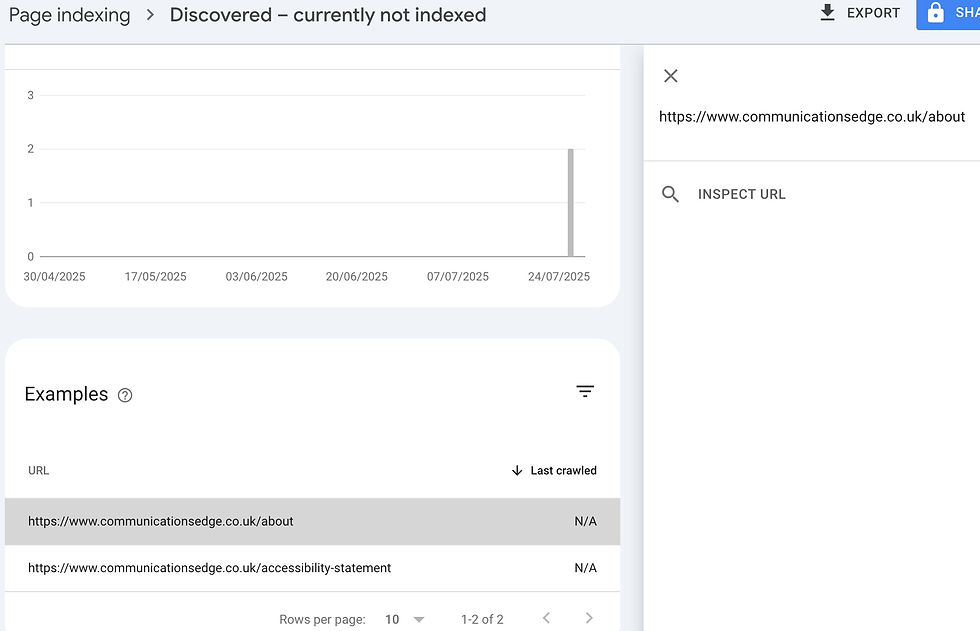
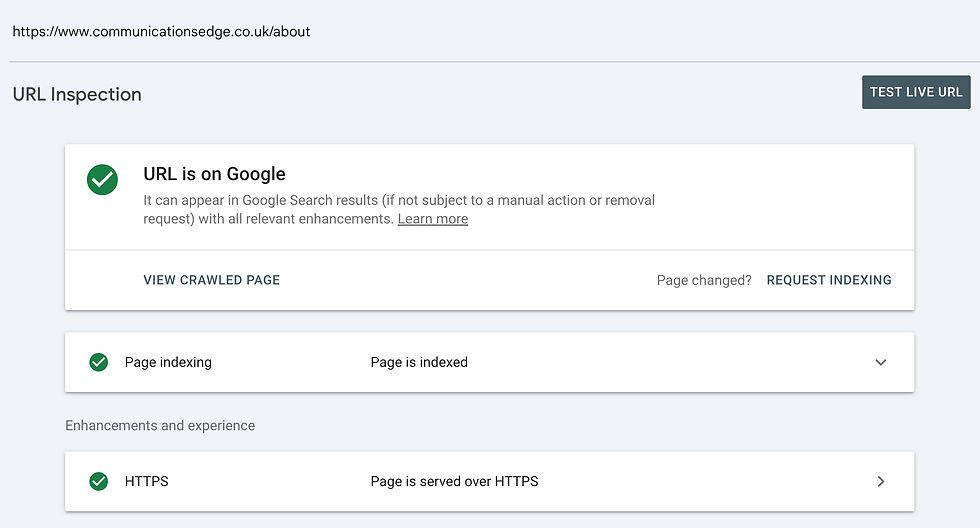
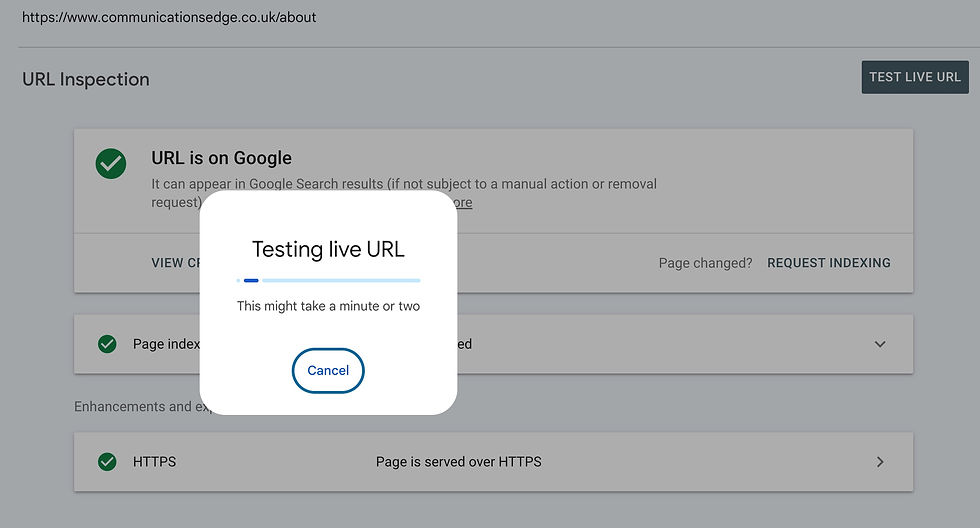
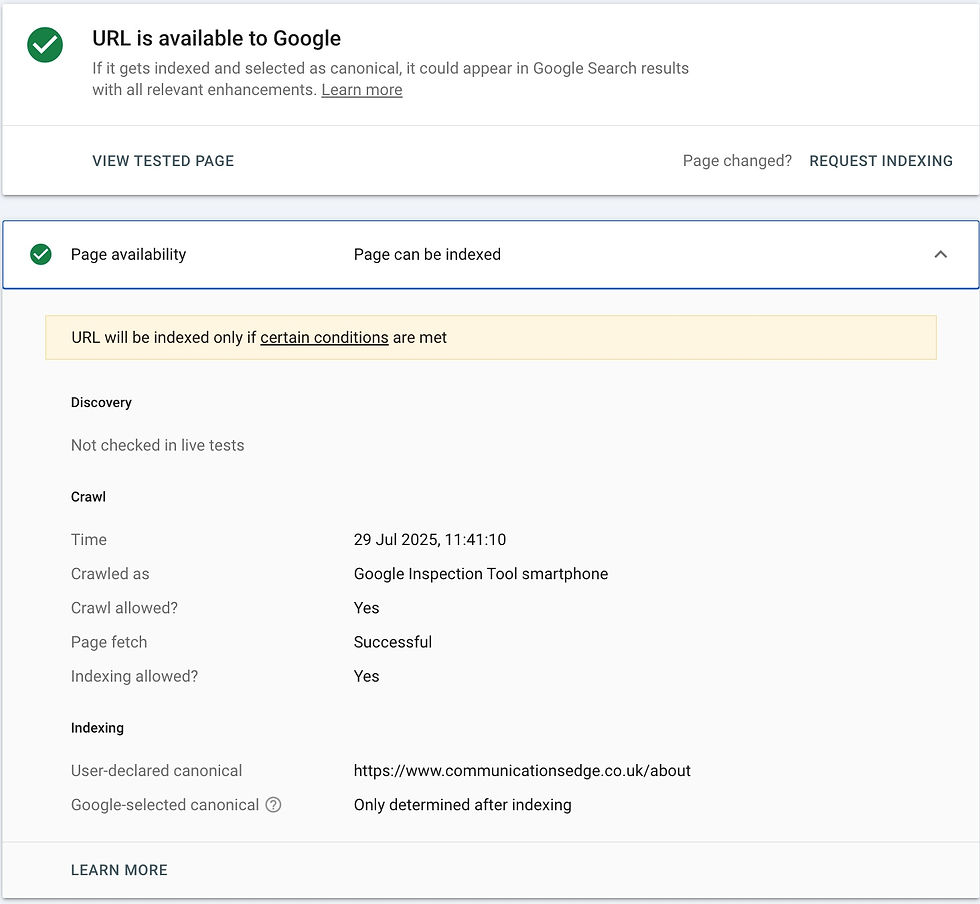
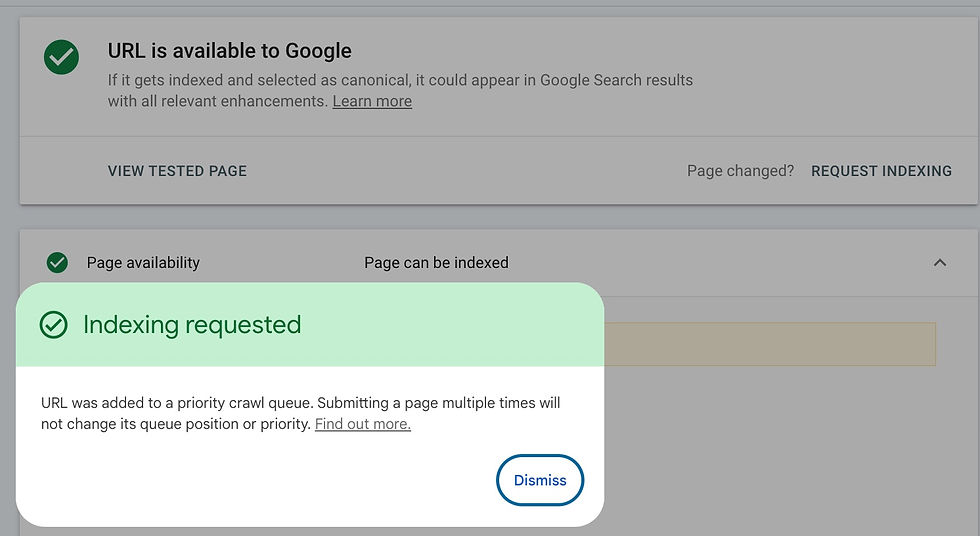
So in short, this blog has illustrated how to shortcut ranking in Google, ensure your pages are indexed, fix any that aren't and rank quickly. We hope you found it useful.
FAQs: How to Rank in Google Quickly
Is it really possible to rank in Google quickly?
Yes — but only with the right strategy. Quick rankings come from optimising for low-competition, high-intent keywords and building technically sound, relevant content that Google can index fast.
How long does it usually take to rank a new website on Google?
For new domains, it typically takes 3–6 months to gain traction, but existing sites with authority can rank new pages within weeks for well-optimised, low-competition terms.
What are the fastest ways to improve your Google ranking?
Optimise on-page SEO (titles, meta descriptions, internal links), improve page load speed, publish high-quality content, and build relevant backlinks from trusted domains.
How can small businesses compete with larger brands on Google?
By focusing on niche topics, local SEO, and specific keyword clusters with lower competition — building authority in focused areas instead of broad markets.
Why isn’t my content ranking even after optimisation?
Ranking issues often stem from weak backlinks, duplicate content, poor user engagement metrics, or technical SEO issues like slow site speed or broken links.
What role does content freshness play in fast Google rankings?
Google prioritises new and regularly updated content, especially for trending or time-sensitive topics. Updating existing pages can trigger ranking boosts faster than publishing new ones.
How important are backlinks for ranking quickly?
Very important. Backlinks from reputable, relevant sites signal authority and trust to Google — accelerating ranking time, especially when combined with quality content.
Can AI tools help you rank faster on Google?
Yes. Tools like SE Ranking, SurferSEO, and ChatGPT can accelerate keyword research, topic clustering, and content optimisation while ensuring alignment with search intent.
Does site speed really affect how quickly you rank?
Absolutely. Faster sites are crawled and indexed more efficiently, and better user experience metrics (like low bounce rate) help boost rankings.
What’s the best strategy for ranking quickly and sustainably?
Combine quick-win SEO (optimised blogs, backlinks, schema, and internal links) with long-term strategies like content hubs, technical SEO, and continuous analytics review.


Comments